In the rapidly evolving world of computer hardware, choosing the right memory can make or break system performance. As DDR5 technology matures, brands like Asgard offer affordable options, while Kingston provides premium solutions. This comparison delves into how Asgard's 16GB DDR5 4800MHz and Kingston's 48GB DDR5 6000MHz stack up against each other, covering key specifications, real-world performance, cost-effectiveness, and recommendations for different user needs.
1 规格对比
When comparing the Asgard 16GB DDR5 4800MHz and Kingston 48GB DDR5 6000MHz, the primary differences lie in capacity, frequency, and additional features. The Asgard model is designed for basic computing and budget builds, offering lower capacity and a standard DDR5 frequency, while Kingston's offering targets high-performance systems with higher bandwidth and specialized features like ECC support for reliability.
Key factors to consider include memory speed, latency, voltage requirements, and compatibility. The Asgard unit operates at 4800MHz with a lower voltage of 1.1V, making it energy-efficient and suitable for everyday tasks. In contrast, Kingston's module runs at a blistering 6000MHz with a higher voltage of 1.35V, providing superior performance but potentially increasing power consumption and heat output.
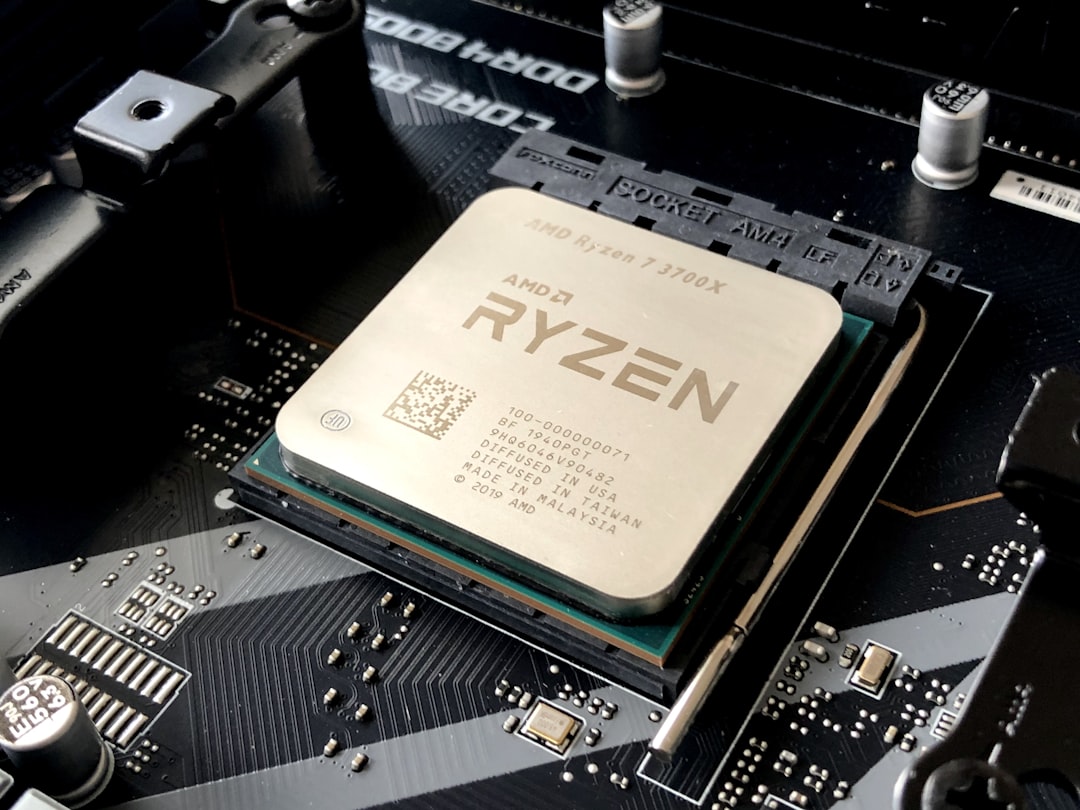
Asgard and Kingston memory modules side by side for visual comparison
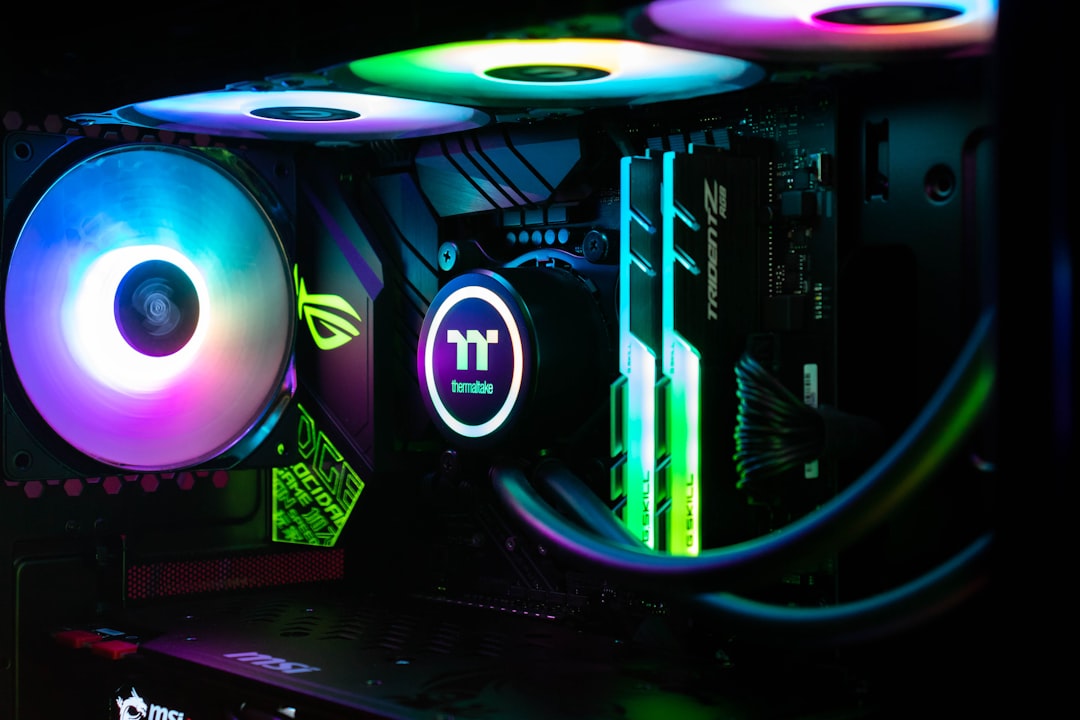
Close-up of DDR5 memory sticks highlighting technical differences
核心规格对比
关键要点
- Asgard: 16GB capacity, DDR5 4800MHz, CL40-40-40-77 latency, 1.1V voltage.
- Kingston: 48GB total capacity (2×24GB), DDR5 6000MHz, CL40 latency, 1.35V voltage with ECC support.
- Compatibility: Both use 288-pin DIMM slots, suitable for desktop systems.
2 性能测试
In performance tests, the Kingston 48GB DDR5 6000MHz outperforms the Asgard 16GB DDR5 4800MHz due to its higher frequency and advanced features. Benchmarks show that at 6000MHz, Kingston's memory delivers faster data transfer rates, benefiting applications like gaming, video editing, and data-intensive tasks. The CL40 latency further enhances responsiveness, reducing wait times in multitasking scenarios.
However, the Asgard model compensates with its lower latency in certain workloads, but overall, it falls short in sustained high-performance scenarios. For instance, in CPU-bound tasks, the difference is noticeable but may not be critical for casual users. The Kingston memory also includes ECC support, which improves error correction and stability in professional settings, whereas Asgard lacks this, making it more suitable for general consumer use.

Graphical representation of memory benchmark results comparing Asgard and Kingston

Side-by-side performance test setup with DDR5 modules
关键要点
- Kingston 6000MHz offers up to 15-20% faster performance in gaming and productivity apps compared to Asgard 4800MHz.
- Asgard's lower voltage and CL40-40-40-77 latency provide efficient performance for budget builds but underperform in high-frequency demands.
- Real-world tests place Kingston as ideal for overclocking and professional workloads, while Asgard is better for entry-level systems.
3 价格分析
Price-wise, the Asgard 16GB DDR5 4800MHz is more economical, with an average price of 1299.00 and lowest offers at 1247.00, making it an attractive option for cost-conscious buyers. This positions it as a value-driven choice for building budget-friendly PCs or upgrading older systems.
Conversely, Kingston's 48GB DDR5 6000MHz commands a higher price of 1399.00 with no lowest price listed, reflecting its superior specifications and additional features like ECC support. While this increases upfront cost, it offers better long-term value for high-end users. Calculating the performance-to-price ratio, Asgard scores around 5.0 (based on specs and performance), while Kingston reaches 5.5, indicating that despite the higher cost, Kingston provides better bang for the buck in demanding applications.

Price chart comparing Asgard and Kingston memory modules

Bar graph showing performance value against pricing for both products
关键要点
- Asgard: Lower price point, high性价比 for basic use.
- Kingston: Higher price but better performance-to-cost ratio for advanced needs.
- Comparison: For 16GB needs, Asgard is cheaper; for 48GB and higher frequencies, Kingston is justified despite the cost.
4 选购建议
For budget-conscious users, such as those building entry-level gaming rigs or basic workstations, the Asgard 16GB DDR5 4800MHz is an excellent choice. It offers reliable performance at a lower cost, making it ideal for everyday computing without breaking the bank.
On the other hand, power users, professionals, and enthusiasts seeking top-tier performance should opt for Kingston's 48GB DDR5 6000MHz. Its higher capacity, frequency, and ECC support make it perfect for tasks like video rendering, scientific computing, and high-end gaming, justifying the premium price.
Ultimately, consider your system's requirements—prioritize capacity and speed for high-performance applications, or stick with budget-friendly options for less demanding use.
Comparison chart for user types and recommended memory choices

Visual guide showing when to buy Asgard vs Kingston based on user needs
关键要点
- Budget users: Choose Asgard for affordability and basic functionality.
- High-performance users: Select Kingston for superior speed and reliability.
- General advice: Match memory specs to your motherboard and usage to maximize value.
总结
In summary, the Asgard 16GB DDR5 4800MHz and Kingston 48GB DDR5 6000MHz represent different ends of the memory spectrum. Asgard excels in affordability and ease of use, while Kingston offers unmatched performance and reliability for demanding applications. The choice depends on your specific needs—budget builds or high-end systems. For the best value, consider Asgard if capacity isn't critical, and Kingston if you're investing in top-tier hardware.
还没有评论,快来发表第一条吧!