In the rapidly evolving world of computer storage, choosing the right drive depends heavily on your specific needs. This article contrasts two distinct storage solutions: the Huananzhi M.2 2280 NVMe SSD, ideal for consumer PCs and laptops, and the HGST 900GB SAS server hard drive, designed for high-performance server environments. By examining their technical specifications, performance capabilities, pricing, and target users, we aim to provide a comprehensive guide for consumers and IT professionals alike.
1 规格对比 (Specification Comparison)
The Huananzhi M.2 2280 SSD operates at NVMe speeds, offering fast data transfer rates suitable for modern operating systems and gaming. It features a compact M.2 2280 form factor, making it perfect for portable devices and desktop upgrades. In contrast, the HGST drive utilizes a SAS interface, which is typically used in enterprise and server settings for reliability and throughput, featuring a 2.5-inch form factor and a 10000rpm rotational speed.
Key differences include the interface type (NVMe vs SAS), capacity (256GB vs 900GB), and intended use case (consumer vs server). The Huananzhi drive is significantly lighter and more compact, while the HGST drive is optimized for 24/7 continuous operation in server racks.
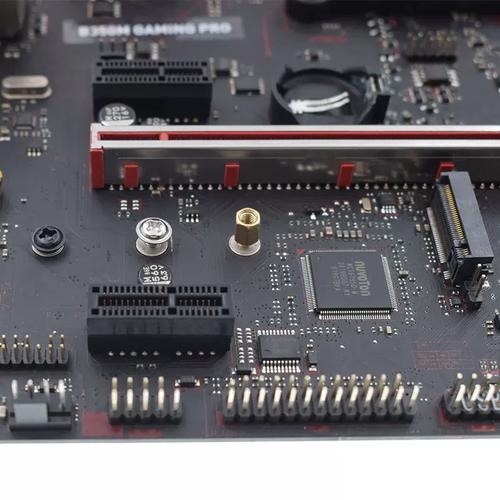
Huananzhi NVMe SSD and HGST SAS Hard Drive side by side
Core Specifications Comparison
关键要点
- Interface: NVMe vs SAS
- Capacity: 256GB vs 900GB
- Form Factor: M.2 2280 vs 2.5 inch
- Target: Consumer vs Server
2 性能测试 (Performance Analysis)
The Huananzhi M.2 SSD delivers rapid sequential read/write speeds typical of NVMe drives, excelling in boot times and application loading. Its low latency makes it ideal for gaming and quick data access. Meanwhile, the HGST SAS drive, while slower in single-drive consumer benchmarks due to its SAS interface, offers exceptional reliability and high sustained throughput in multi-drive RAID configurations found in servers.
The 10000rpm speed of the HGST drive ensures consistent performance under heavy load, whereas the Huananzhi drive prioritizes speed and efficiency for typical desktop use.
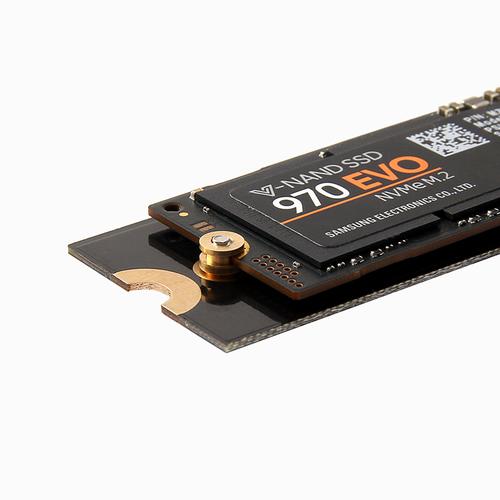
Data processor and storage drive performance visualization
Performance Characteristics
关键要点
- Huananzhi: High I/O Speed, Low Latency
- HGST: High Reliability, RAID Ready
- HGST: 10000rpm Mechanical Speed
3 价格分析 (Price Analysis)
The Huananzhi M.2 256GB SSD is priced at ¥110.00, making it an extremely budget-friendly option for entry-level builds or temporary storage solutions. Conversely, the HGST 900GB SAS drive is priced significantly higher at ¥799.00, reflecting its enterprise-grade components and higher capacity.
While the Huananzhi offers better value per GB for consumer needs, the HGST provides superior longevity and durability for professional server environments where failure rates must be minimized.
Price tags on storage drives showing value comparison
Price vs Value
关键要点
- Huananzhi: ¥110.00 (High Value)
- HGST: ¥799.00 (Enterprise Grade)
- Ratio: HGST is ~7x more expensive
4 选购建议 (Buying Recommendations)
For gamers, home users, and budget-conscious builders, the Huananzhi M.2 SSD is the clear choice due to its compact size, fast NVMe speeds, and low price. It is perfect for OS drives, game libraries, and portable setups where space is limited.
For IT professionals, data centers, and server administrators, the HGST SAS drive is the recommended option. Its SAS interface, 10000rpm speed, and 900GB capacity make it suitable for server farms requiring high reliability and large storage capacity.
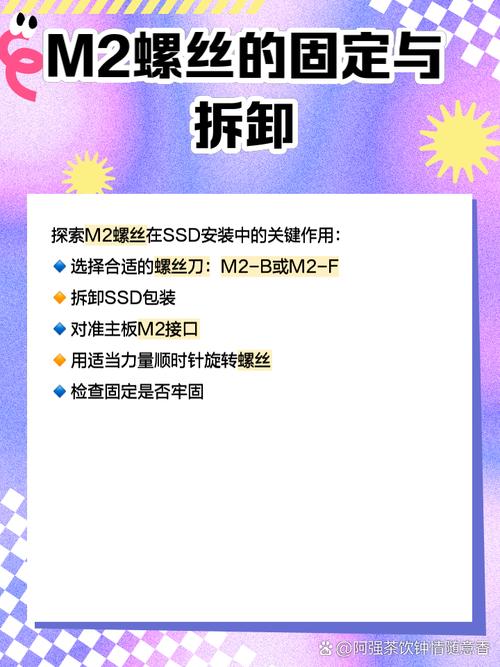
Person choosing between consumer and enterprise storage options
User Suitability
关键要点
- Huananzhi: Consumer, Gaming, Budget
- HGST: Server, Enterprise, Reliability
总结
Ultimately, the choice between the Huananzhi M.2 SSD and the HGST SAS server disk depends on your specific environment. The Huananzhi excels in speed and cost-effectiveness for everyday computing, while the HGST offers robust performance and reliability for demanding server applications. Selecting the right drive ensures optimal system performance and longevity.
还没有评论,快来发表第一条吧!